
UL Authorization: Your Label Compliance Guide
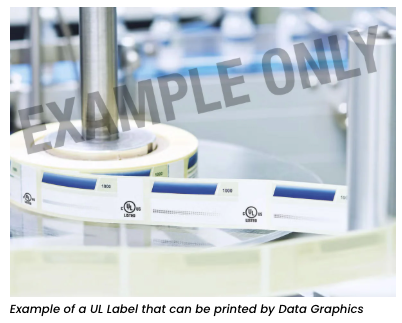
When it comes to manufacturing industrial equipment, safety and compliance are not optional; they are essential. As an equipment manufacturer, understanding the regulatory landscape and adhering to safety standards can be the difference between a successful, reputable business and one facing costly legal ramifications. One crucial aspect of compliance is the UL-authorized label. UL certification ensures that your products meet safety standards and are legally approved for use across various industries. This guide explores UL-authorized labels, the testing standards behind them, and why they are vital for both your product’s compliance and your company’s reputation.
What is UL Authorization for Labels?
UL Solutions is a globally recognized safety certification organization dedicated to testing and certifying products to meet rigorous safety standards. UL offers safety certifications for a wide range of products, including electrical devices, mechanical equipment, and industrial labels. A UL-authorized label indicates that a product has undergone extensive testing to meet UL’s stringent standards for safety, performance, and quality.
For industrial labels, these are not merely marketing tools; they carry substantial weight in compliance and safety. A UL-approved label on your equipment signifies that it has been tested for safety and meets all legal requirements, making it suitable for industries where safety is paramount.
For equipment manufacturers, securing UL authorization is essential in ensuring your products comply with industry regulations. It builds trust and ensures your products are safe for use while meeting legal standards, which is why this certification is so crucial to maintaining long-term operational viability.
Understanding UL Testing Standards
UL’s testing standards are thorough and rigorous. The process is more than just a product check; it is an extensive evaluation designed to ensure that a product remains safe and effective throughout its use. Below are key testing standards that industrial labels undergo before being deemed UL-approved under the UL 969 standard:
Durability Testing
Durability is a primary concern for industrial labels. These labels must endure demanding environments. Whether exposed to extreme temperatures, moisture, chemicals, or UV rays, UL-certified labels are tested to ensure they withstand these harsh conditions without losing legibility or compromising safety. This ensures that your labels remain fully functional under all conditions, from factory floors to rugged outdoor settings.
In industrial environments, labels face exposure to intense wear and tear, making the durability testing process vital for ensuring that safety-critical information remains legible and intact over the lifetime of the product. Environmental conditioning typically includes testing for high humidity, occasional water exposure, elevated temperatures, sunlight resistance, and chemical agents.
Adhesion Testing
The adhesive properties of a label are crucial for its effectiveness. Labels must adhere securely to their surfaces, whether metal, plastic, or another material, despite exposure to chemicals, environmental changes, and physical stress. This is especially important in industrial environments where equipment may undergo vibration, movement, or rough handling. Adhesion tests ensure the label remains attached and readable for the long term.
The adhesive must also withstand extreme conditions without breaking down or losing its bond with the surface. After environmental conditioning, product labels are visually examined for curling, wrinkling, shrinkage, or loss of adhesion around the perimeter. This is critical to prevent any accidents or failures caused by poorly adhered labels.
Legibility Testing
A UL-approved label must remain legible, even after prolonged exposure to the elements. This is crucial in industrial settings where workers need to quickly reference safety warnings or instructions. UL tests the legibility of labels by exposing them to harsh conditions like UV light and moisture, ensuring that the text stays clear and intact. Labels must be readable for the full duration of the product’s lifespan, which is essential for meeting safety standards and preventing operational errors.
These comprehensive tests guarantee that UL-certified labels can survive the toughest conditions while maintaining safety and readability. These tests are vital for the reliability of equipment across multiple industries, from medical to aerospace.
The Importance of Authorized Manufacturer Status
UL’s authorized manufacturer status is essential for companies seeking to use UL-approved labels on their products. This status is granted to manufacturers who meet UL’s stringent safety, quality control, and compliance standards. The authorization process involves a thorough review of the manufacturer’s production processes, quality management systems, and ongoing adherence to UL’s safety guidelines.
Once your company becomes an authorized UL manufacturer, you can directly apply UL-certified labels to your products. However, this privilege is not permanent. UL regularly conducts onsite inspections and sends certified label constructions to the lab for annual testing. These audits help maintain the integrity of the UL-authorized label and ensure adherence to industry best practices. Manufacturers are not allowed to substitute materials or printing methods, as this ensures the integrity of the complete label construction.
Becoming an authorized UL manufacturer brings benefits beyond certification. It demonstrates a commitment to safety and product quality, which enhances your brand’s reputation and fosters consumer trust. It also ensures that your manufacturing process remains compliant with international safety standards.
UL Recognition Marks and Their Meaning
The UL mark is a globally recognized symbol of safety and compliance. It indicates that a product has been tested and meets UL’s safety standards. Depending on the product’s nature, the UL mark may appear in various formats:
- UL Listed: This mark is for products that have undergone testing and meet all safety standards. Typically used for complete products, like electrical devices and machinery.
- UL Recognized Component: This mark is for individual components within larger systems. These components have been tested for safety but the entire system hasn’t been fully tested. Labels produced under the UL 969 standard are considered UL Recognized Components.
- UL Classified: This mark is used for products evaluated for specific safety criteria, such as specific end-use applications, but not fully tested to UL’s broader standards.
Each type of UL mark provides clear information about the level of testing the product has undergone. For manufacturers, displaying the appropriate UL mark on industrial labels is essential for indicating compliance and ensuring your products meet regulatory expectations.
Understanding Category Code Numbers (CCN)
Within the UL 969 standard, labels and markings are organized into different Category Code Numbers (CCN). The most common categories include:
- PGDQ2 (Marking and Labeling Systems for the United States): This is the highest level of UL certification for labels, requiring that manufacturers get the adhesive, base material, printing system, and lamination approved as a complete system. These are printed labels sold as die-cut, finished products.
- PGJI2 (Printing Materials for the United States): Covers labels evaluated to receive additional printing by end-use product manufacturers using thermal transfer, laser, and hot stamping.
- PGIM2 (In-Mold Labels): Covers printed in-mold labels intended to embed into molded plastic parts during the molding process.
- PGGU2 (Materials): Covers materials used to make labels, including blank label stocks, laminating adhesives, overlaminates, and inks.
Each category serves specific applications and requirements, ensuring that the right type of label is used for each industrial application.
Why UL-Authorized Labels Matter for Safety Compliance and Liability Protection
For industrial equipment manufacturers, using UL-authorized labels is about more than just meeting industry requirements. It plays a vital role in safety, legal compliance, and risk management. Here’s why UL-certified industrial labels are crucial:
Regulatory Compliance
Certain industries, including electrical, automotive, and construction, require UL-approved labels for products sold or used in the United States. Without these certifications, products may not be legally sold or used, limiting market access and consumer confidence. This is especially critical for businesses that aim to expand into international markets, where UL certification may be necessary for market access.
Consumer Confidence and Trust
UL-authorized labels assure consumers and businesses that your product has been rigorously tested for safety and reliability. It helps build brand trust, as consumers are more likely to choose UL-certified products for their safety and quality. For industries that rely on public safety, like aerospace or medical equipment, UL certification can significantly enhance your product’s appeal to potential clients.
Liability Protection
By using UL-approved labels, you significantly reduce your liability in the event of a product failure or accident. UL certification serves as proof that the product was tested to the highest standards, which can help protect your business from costly lawsuits or product recalls. The certification provides legal and financial protection should a product fail to perform as expected, reducing the risks associated with litigation.
Risk Mitigation
Meeting UL’s safety standards helps minimize the risk of accidents, equipment failures, or other issues that could result in significant damage or injury. This reduces the potential for legal claims, operational disruptions, and reputational harm. The process of becoming an authorized UL manufacturer also ensures that your products meet the latest industry standards, minimizing risk exposure.
Insurance and Financial Benefits
Many insurance policies require UL-certified labels to reduce risk. Some insurance companies offer lower premiums for businesses using UL-certified products, as they are considered lower-risk. This can lead to significant savings over time. For manufacturers looking to lower operating costs, this can be a valuable advantage.
Global Market Access
UL certification is recognized internationally, helping manufacturers sell products in foreign markets. For companies looking to expand globally, UL certification ensures compliance with international safety standards, opening doors to new opportunities and growth. Many global markets now require UL certification, making it a key asset for manufacturers pursuing global expansion.
Market Differentiation
In a competitive marketplace, UL-certified labels can differentiate your products from your competitors. Consumers and businesses recognize the UL mark as a symbol of quality and safety, making it a valuable marketing tool for your business. This differentiation can lead to higher sales, improved reputation, and greater customer loyalty.
The Role of UL Certification in Maintaining Industry Standards
UL certification is not static; it evolves to reflect changes in industry safety standards, technological advancements, and environmental concerns. UL continually updates its testing criteria to address emerging safety risks and improve the performance of industrial products. By staying current with UL certification, manufacturers demonstrate a commitment to maintaining the highest safety and quality standards.
Moreover, UL’s ongoing research and development initiatives ensure that its testing methods remain at the forefront of industry needs. This helps manufacturers stay ahead of regulatory changes, ensuring their products remain compliant and market-ready.
Ready to Meet Your Label Compliance Requirements?
UL-authorized labels are vital for equipment manufacturers seeking to ensure safety compliance, minimize liability risks, and maintain consumer trust. Whether producing electrical devices, machinery, or other industrial equipment, UL certification offers invaluable protection for your business and customers.
As a leading provider of UL-certified industrial labels, Data Graphics has been serving manufacturers since 1984, bringing over 40 years of experience. With certifications including UL 969, PGDQ2 and PGDQ8 designations, ISO9001:2015, AS9100:2016 Rev D, Metalphoto, and ITAR compliance, Data Graphics is dedicated to helping manufacturers comply with safety regulations while ensuring their products meet the highest standards.
Contact us to explore our labeling solutions and learn how we can help you meet your compliance goals.