
Custom Rubber Gaskets: How to Choose the Right Material for Your Application
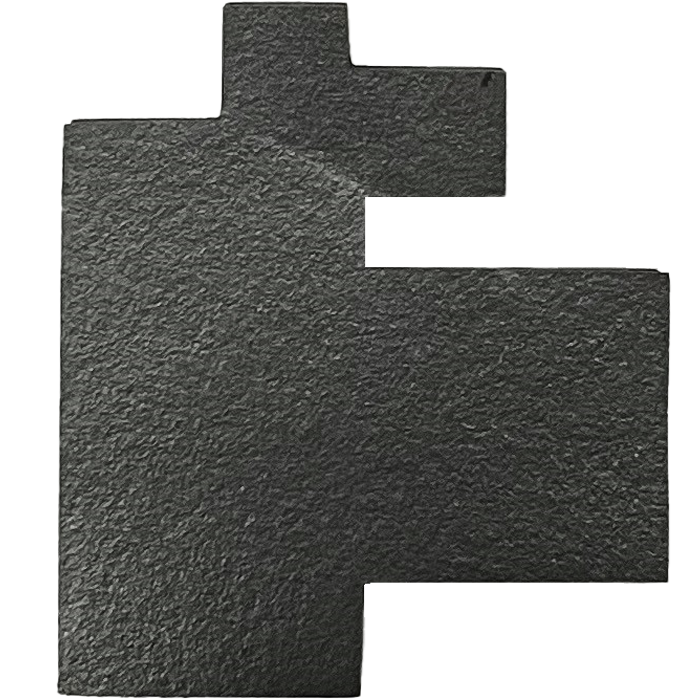
Custom rubber gaskets are crucial in sealing applications across a wide range of industries, from aerospace to medical devices and electronics. Their primary role is to prevent leaks, regulate pressure, and protect sensitive components from environmental contaminants. Selecting the right material for your custom rubber gasket is vital to ensuring the long-term reliability and performance of the system it supports.
For engineers and procurement professionals, choosing the ideal material involves evaluating several factors that directly influence the performance of the gasket. These include temperature range, pressure tolerance, chemical exposure, and environmental conditions, among others. This practical buyer’s guide will walk you through the essential considerations when selecting custom rubber gaskets for your specific needs.
At Data Graphics Inc., we specialize in custom die-cut gaskets, offering a variety of material options designed to meet the most demanding applications. Whether you require rubber gaskets for automotive, aerospace, medical, or industrial purposes, our custom solutions ensure the right fit for your unique specifications, allowing your projects to succeed with precise, durable sealing.
1. Foam Gaskets vs. Rubber Gaskets: Key Differences and When to Use Each
When evaluating gasket materials, one of the first decisions to make is whether to choose a foam gasket or a rubber gasket. Both options have specific benefits and are suited for different applications. Understanding the differences between these two types is essential to making the best choice for your sealing needs.
Open-Cell Foam Gaskets
Structure: Open-cell foam gaskets are made up of interconnected cells, giving the material a sponge-like structure. This configuration allows air to pass through the material, making it suitable for specific types of applications. The material’s compressible nature is what makes it distinct from closed-cell and rubber counterparts.
Applications: Open-cell foam gaskets are typically used in applications requiring vibration or shock absorption, cushioning, noise reduction, and insulation. They are commonly found in packaging, general cushioning tasks, and electrical absorption applications where flexibility and compressibility are priorities.
Advantages:
- High compressibility and flexibility, making it easier to fit into irregular or uneven surfaces.
- Lightweight, which makes it ideal for applications where weight is a concern.
- More cost-effective compared to closed-cell and rubber gasket materials, offering significant savings for large-scale production and projects with budget limitations.
Disadvantages:
- Permeable structure makes it unsuitable for environmental sealing or wet conditions.
- Less durable under extreme pressure or in conditions where chemical resistance is crucial.
Closed-Cell Foam Gaskets and Rubber Gaskets
Structure: Closed-cell foam gaskets and rubber gaskets consist of tightly packed, sealed cells that prevent air or moisture from passing through the material. Rubber gaskets are always closed-cell. This makes both types highly resistant to fluid absorption and excellent for applications where maintaining an airtight or watertight environmental seal is critical.
Applications: Closed-cell foam gaskets and rubber gaskets are commonly used for environmental sealing, particularly when outdoor conditions are a significant factor. Industries such as automotive, aerospace, electronics, and medical devices frequently use these materials due to their robust performance in demanding conditions. They are especially useful in sealing systems where exposure to moisture, UV radiation, or chemicals is a concern.
Advantages:
- Superior resistance to moisture, chemicals, and UV exposure, ensuring durability in harsh environments.
- Excellent durability in high-pressure environments, maintaining the integrity of the seal under stress.
- Provides effective sound and vibration dampening, making it ideal for industrial applications where noise reduction is required.
Disadvantages:
- Typically more rigid and less flexible than open-cell foam options, which may limit suitability for applications requiring high flexibility and adaptability.
- Generally more expensive than open-cell foam, making it less ideal for cost-sensitive projects.
2. Key Factors in Selecting the Right Rubber Material
Choosing the right rubber material for your custom gasket involves a comprehensive evaluation of several factors that affect its performance in real-world applications. The material you choose should align with your specific sealing requirements, environmental conditions, and operational needs. Here are the critical factors to consider when selecting the right rubber for your custom gaskets:
Temperature Range
Temperature extremes can significantly impact the performance of rubber gaskets, affecting their flexibility, strength, and sealing ability. It is essential to choose a material that can handle the temperature fluctuations your application may encounter.
Low-Temperature Applications: For applications exposed to cold temperatures, silicone rubber is well-suited, as it is resistant to both extreme heat and cold temperatures, as well as ozone and oxygen attacks. This makes silicone an excellent choice for applications that require resilient and durable sealing across a broad temperature range, including refrigeration and outdoor environments.
High-Temperature Applications: Materials such as silicone are designed to perform in high-temperature environments. These materials are ideal for automotive, aerospace, and industrial applications where heat is a constant concern and sealing integrity needs to be maintained even under high thermal stress. The team at Data Graphics can help you identify the most appropriate material for your specific temperature requirements.
Pressure Resistance
Pressure resistance is another critical factor when selecting a rubber gasket material. Gaskets exposed to varying pressure levels must maintain their sealing integrity without deformation or failure.
High-Pressure Environments: Neoprene and EPDM rubber are among the materials well-suited for demanding sealing applications, including hydraulic and fluid handling systems where maintaining an airtight seal under substantial pressure is crucial.
Low-Pressure Applications: In low-pressure applications, open-cell foam gaskets offer sufficient compression and flexibility. They are ideal for applications such as cushioning, noise reduction, and insulation where minor pressure variations occur.
Chemical Exposure
Rubber materials must be able to withstand exposure to various chemicals, oils, and fuels in industrial and commercial settings. Different rubber compounds offer varying levels of resistance to chemical degradation, so it is crucial to select the material that best suits your needs.
Chemical Resistance: For environments exposed to aggressive chemicals, fuels, oils, and EPDM rubber provide reliable resistance. These rubbers are commonly used in the chemical processing, automotive, and aerospace industries, where sealing must resist the breakdown caused by constant chemical exposure.
Food and Pharmaceutical Applications: In sectors requiring strict sanitation and biocompatibility standards, food-grade or medical-grade silicone and EPDM rubber are preferred. These materials meet the requirements of the food processing and medical device industries, where compatibility with FDA and medical industry regulations is critical to maintaining safety.
Environmental Conditions
The material’s ability to withstand environmental conditions like UV radiation, ozone, and moisture is vital in applications exposed to the outdoors or harsh environments.
Outdoor Exposure: For gaskets exposed to UV radiation and extreme weather conditions, materials like EPDM and silicone are ideal. Silicone is known to resist ozone and oxygen attacks, ensuring long-term reliability in outdoor and environmentally demanding applications.
Water Resistance: If your application involves exposure to moisture, closed-cell rubber gaskets and silicone gaskets are well-suited due to their excellent water and moisture resistance. Silicone rubber gaskets in particular can create reliable seals that prevent water ingress, making them a strong choice for wet environments, outdoor settings, and industries where water resistance is a top priority.
3. Material Hardness and Thickness: Finding the Right Balance
The hardness and thickness of the rubber gasket are important factors in determining the performance of the seal. The material’s ability to compress and maintain its shape under pressure is critical to ensuring a secure, long-lasting seal.
Hardness
Rubber hardness is a key consideration when designing a gasket for a specific application. When evaluating hardness requirements, factors such as compression needs, operating conditions, and the sealing surface should all be considered. Softer materials offer greater compressibility and are better suited for irregular surfaces, while harder materials provide greater resistance to deformation in high-pressure conditions. Data Graphics offers custom gaskets across a wide range of hardnesses to match your application’s specific requirements.
Thickness
The thickness of the gasket material is determined by the gap that needs to be sealed. Data Graphics offers custom gaskets in a variety of thicknesses, hardnesses, and densities to meet your needs.
Light-Duty Applications: For low-pressure or light-duty applications, thinner gasket materials can provide a tight seal without adding unnecessary bulk to the assembly, making them suitable for compact and efficient sealing solutions.
Heavy-Duty Applications: For demanding applications requiring robust sealing, thicker gasket materials are necessary. These gaskets are designed to handle high-pressure, high-temperature, and chemically aggressive environments, providing a durable, long-lasting seal under harsh conditions.
4. Real-World Use Cases: Where Custom Rubber Gaskets Make a Difference
Custom rubber gaskets are used across multiple industries, each with unique sealing needs. Below are some examples of how custom rubber gaskets provide effective sealing solutions:
- Automotive: Custom gaskets are used in engines, exhaust systems, and fuel tanks to ensure a reliable seal that can withstand high temperatures, vibrations, and pressure.
- Aerospace: Rubber gaskets are crucial in sealing fuel systems, turbines, and avionics in the aerospace industry. These gaskets must perform under extreme conditions of temperature, pressure, and chemical exposure.
- Medical Devices: In the medical field, rubber gaskets are used in syringes, IVs, and diagnostic equipment where biocompatibility and sterility are crucial. Food-grade and medical-grade silicone rubber is commonly used in these applications to meet FDA and medical industry requirements.
- Electronics: Rubber gaskets provide a seal for enclosures in electronics, protecting sensitive components from dust, moisture, and vibrations. Materials like silicone and EPDM offer the ideal balance of flexibility and durability for these uses.
- Industrial Manufacturing: Industrial applications rely on custom gaskets for gasketing, cushioning, sealing, mounting, and insulation needs across a broad range of equipment and operational environments.
Conclusion: Request a Custom Die Cut Quote
Choosing the right rubber material for your custom gasket is essential for ensuring the long-term performance and reliability of your application. At Data Graphics Inc., we specialize in providing custom die-cut gaskets in various thicknesses, hardnesses, and densities, tailored to meet your specific sealing needs. Our team of experts is ready to help you select the perfect gasket material for your application, whether you need a high-temperature gasket for aerospace or a chemical-resistant seal for industrial use.
Ready to get started? Request a custom die-cut quote today and let our team help you choose the best material for your custom rubber gasket needs. We are here to ensure your project runs smoothly with durable, high-performance seals.