
Polyurethane Gaskets vs. Rubber: Which One Wins for High Load Industrial Applications?
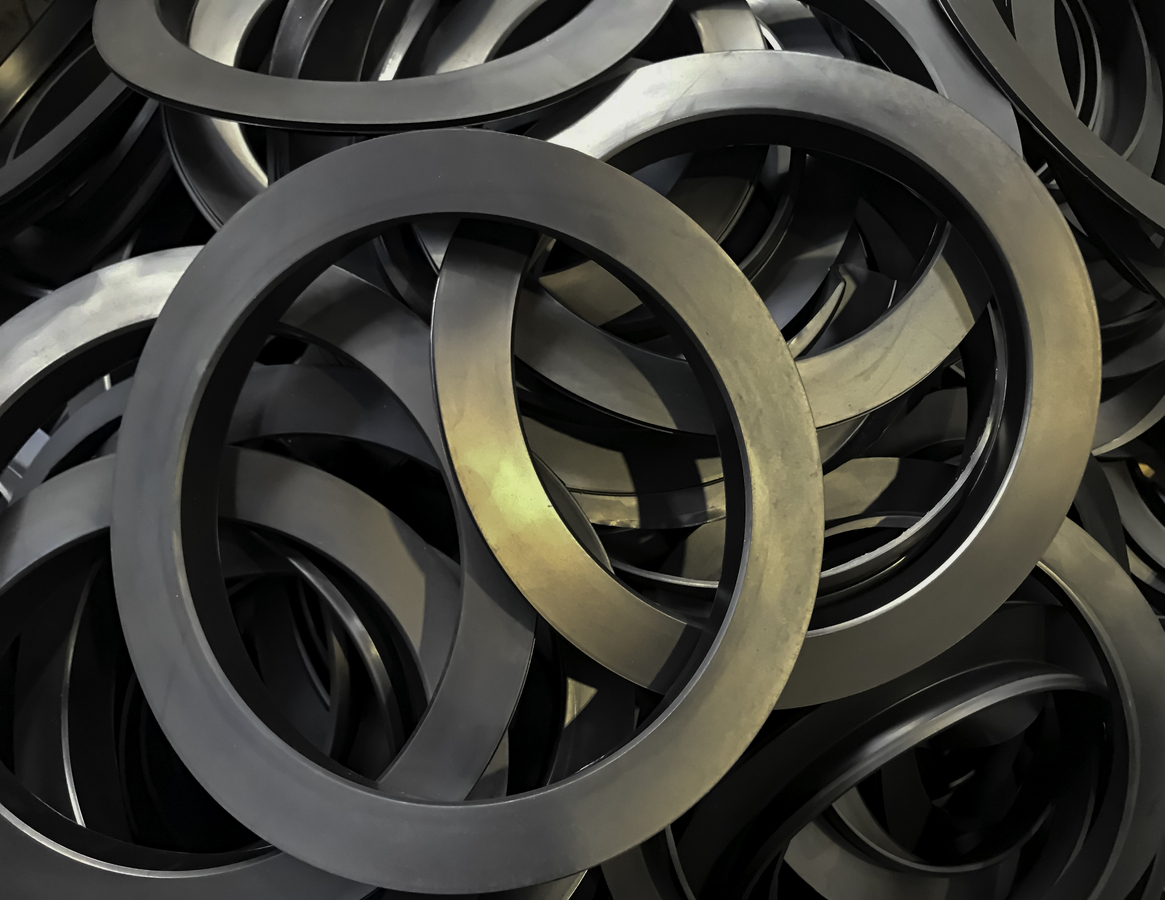
Industrial sealing applications rarely have a one size fits all solution. Engineers and procurement professionals must balance performance, durability, operating conditions, and long term value when selecting gasket materials. While traditional rubber remains a dependable choice for many environments, polyurethane gaskets have become a preferred option for demanding applications where sustained loads, abrasion, and challenging operating conditions place greater demands on sealing components.
Choosing an unsuitable gasket material can contribute to premature wear, equipment downtime, fluid leaks, and increased maintenance requirements. Selecting the right material helps improve equipment reliability, supports consistent sealing performance, and contributes to a longer service life.
At Data Graphics, Inc., we manufacture custom gaskets engineered around each customer’s application rather than forcing equipment to conform to standard products. Whether your project requires Poron® polyurethane, neoprene, EPDM, silicone, or another specialty material, selecting the appropriate gasket starts with understanding how each material performs under real world operating conditions.
Why Material Selection Matters in Industrial Sealing
Every gasket shares the same essential purpose: creating a dependable seal between two mating surfaces. Beyond that basic function, industrial operating environments vary significantly. Some equipment remains under continuous compression for extended periods, while other applications face vibration, repeated movement, abrasive contact, chemical exposure, or outdoor weather conditions. The selected gasket material must continue performing reliably despite these demands.
Key evaluation factors typically include:
- Load bearing capability
- Abrasion resistance
- Compression performance
- Chemical compatibility
- Weather resistance
- Long term durability
- Manufacturing flexibility
Weighing these factors makes it easier to determine whether polyurethane or traditional rubber is the better solution for a specific industrial application.
Understanding Polyurethane Gaskets
Polyurethane is an engineered material that combines characteristics often associated with multiple material types. According to Data Graphics, Inc., polyurethane provides the elasticity of rubber while offering the strength and durability associated with metal, a balance that makes it a strong fit for demanding industrial environments. Gaskets made from Poron® polyurethane are tough and abrasion resistant, with a proven ability to resist wear caused by friction, making them capable of outperforming comparable plastic and rubber alternatives.
Polyurethane gaskets are resistant to heat, acid, oil, and other chemicals, as well as abrasion and changing weather conditions such as wet, damp, dry, and sunlit environments. The material is also more resistant to cuts and cracks and is immune to degradation from ozone and oxygen exposure. It offers a proven higher load bearing capacity, making it well suited to high stress, high load applications where components remain under continuous mechanical pressure.
Common industrial applications for polyurethane gaskets include machine mounts, wear pads, electrical equipment, vibration damping, and shock absorption. These environments demand more than basic sealing performance. They require materials capable of handling continuous mechanical loads while maintaining consistent performance over time. Data Graphics, Inc. gaskets are available in a range of designs, sizes, thicknesses, and colors, with or without adhesive backing.
What Makes Traditional Rubber Gaskets Different?
Rubber has remained one of the most widely used gasket materials because different rubber compounds provide reliable performance across a broad range of industrial applications. Rather than treating rubber as a single material, engineers typically select from several formulations based on the specific environmental and operational requirements of the application.
Neoprene, manufactured from chloroprene rubber, offers an excellent balance of flexibility, durability, and moderate oil resistance. It is commonly specified for applications requiring protection against moisture, dust, oils, and weather exposure, making it one of the most widely used gasket materials for industrial, commercial, and OEM applications.
EPDM is widely recognized for its excellent resistance to UV exposure, ozone, moisture, and temperature extremes, holding up in both cold and high heat. This makes EPDM a preferred material for outdoor and environmental sealing applications, including electrical enclosures, HVAC systems, and transportation equipment.
Silicone rubber gaskets offer excellent temperature resistance and versatility, with reliable sealing against moisture, dust, chemicals, and temperature extremes. Data Graphics, Inc. has supplied silicone gaskets to a range of industries, including electronics, medical devices, food processing, and automotive applications.
At Data Graphics, Inc., we manufacture custom gaskets using a wide variety of materials, including EPDM, neoprene, polyurethane, and silicone, allowing customers to select the material best suited to their operating conditions rather than relying on a single solution for every application.
Comparing Polyurethane and Rubber in High Load Applications
Although both materials create effective seals, their performance begins to differ as operating demands increase.
Load Bearing Strength
Applications involving continuous compression often reveal the limitations of standard gasket materials. Polyurethane is recognized for its ability to support higher mechanical loads while maintaining flexibility, making it well suited for equipment where sealing components remain under continuous pressure for extended periods.
Abrasion Resistance
Moving components, sliding surfaces, and repeated mechanical contact all contribute to gradual material wear. Polyurethane offers excellent abrasion resistance, allowing it to withstand friction that may accelerate wear in many conventional gasket materials. This is a meaningful advantage for conveyors, automated equipment, and production machinery with repeated movement.
Resistance to Cuts and Cracks
Polyurethane resists cutting and cracking while maintaining the flexibility required for dependable sealing, helping minimize unplanned maintenance in equipment that operates continuously.
Environmental Performance
Polyurethane demonstrates resistance to heat, oil, acids, abrasion, changing weather conditions, and numerous industrial chemicals and also resists degradation caused by ozone and oxygen exposure. Rubber compounds such as neoprene and EPDM also perform well in specific environments, but overall performance depends on matching the formulation to the operating conditions.
Compression Performance
Many industrial gaskets remain compressed throughout their service life, and materials that lose their ability to recover shape under sustained pressure can lead to declining seal performance. Polyurethane’s proven higher load bearing capacity helps it maintain consistent performance under long term compression.
When Rubber May Still Be the Better Choice
Polyurethane delivers outstanding performance in demanding industrial environments, but it is not automatically the right material for every application.
Outdoor Environmental Seals
EPDM remains a preferred choice for outdoor sealing where exposure to moisture, changing weather, and UV radiation are the primary concerns. Its resistance to sunlight, ozone, and moisture over a wide temperature range makes it dependable for electrical enclosures, outdoor equipment, and other products exposed to years of outdoor use.
Moderate Mechanical Requirements
Not every application experiences continuous heavy loads or severe abrasion. Equipment operating under moderate mechanical stress may perform well with neoprene, which offers dependable moisture, dust, and oil resistance for electrical enclosures, HVAC systems, and industrial machinery without the added cost of a higher performance material.
Application Specific Compatibility
Some projects require materials selected for chemical compatibility, temperature range, or regulatory requirements. Data Graphics, Inc. can supply food grade or medical grade gasket materials to help ensure compatibility with FDA and medical industry requirements, and silicone gaskets are regularly supplied for electronics, medical devices, and food processing applications where these considerations matter most.
Why Custom Gaskets Deliver Better Results
Selecting the right material is only one part of achieving dependable sealing performance. Even the highest quality material cannot compensate for poor fit or inconsistent manufacturing. A gasket designed specifically for the application provides a more dependable seal while supporting overall equipment performance.
For polyurethane gaskets, Data Graphics, Inc. customization options include:
- Sheet Size – Custom dimensions help optimize material usage while ensuring each gasket fits the intended assembly accurately.
- Durometer – Material hardness can be adjusted to influence compression characteristics and long term durability.
- Thickness – Gaskets are manufactured in custom thicknesses to achieve reliable sealing without unnecessary material stress.
- Color Options – A wide range of colors is available to support product identification or customer specific requirements.
- Adhesive or Non Adhesive Construction – Gaskets can be manufactured with or without adhesive backing depending on installation requirements.
Regardless of the application, our team works with customers to build a completely custom die cut solution tailored to their industry and operating environment.
Data Graphics, Inc. Manufacturing Capabilities
Selecting the right gasket requires more than choosing a material. It also requires precision manufacturing and a production process capable of meeting exact specifications. Our 25,000 square foot facility in Mount Dora, Florida, houses modern die cutting methods, including laser, CNC, digital cutter, and steel rule die equipment, allowing us to cut foam, rubber, and specialty materials into precise custom shapes.
We work with EPDM rubber, neoprene, polyurethane, silicone, and 3M VHB foam adhesive across a wide range of thicknesses, hardnesses, densities, and colors. The average turnaround on a job is seven to ten business days after the design has been approved by the client, helping customers move projects forward without compromising precision.
Which Material Wins?
There is no universal answer because the best gasket material depends entirely on the application. If your equipment operates under sustained mechanical loads, experiences continuous friction, or requires exceptional resistance to abrasion, polyurethane gaskets often provide a meaningful performance advantage. Their combination of flexibility, durability, resistance to cuts and cracking, and higher load bearing capacity makes them an excellent solution for many high load industrial applications.
However, applications focused primarily on environmental sealing, moderate operating conditions, or specific material compatibility requirements may continue to benefit from neoprene, EPDM, silicone, or other rubber materials. The goal is not to identify a single “best” material but to select the one that best aligns with the application’s operating conditions and long term maintenance objectives.
Request Custom Polyurethane Gaskets from Data Graphics, Inc.
Every industrial application has unique sealing requirements, and selecting the right gasket material can make a significant difference in equipment reliability and long term performance. At Data Graphics, Inc., we manufacture precision polyurethane gaskets and other custom gaskets engineered to your exact specifications, from customized sheet sizes, durometer options, and thicknesses to precision die cut manufacturing.
Contact Data Graphics, Inc. today to request a quote and discover how our custom gasket manufacturing capabilities can help you achieve reliable, long term sealing performance for your next project.