
EPDM Rubber Gaskets for Electrical Enclosures: Keeping Moisture, Ozone, and Contaminants Out
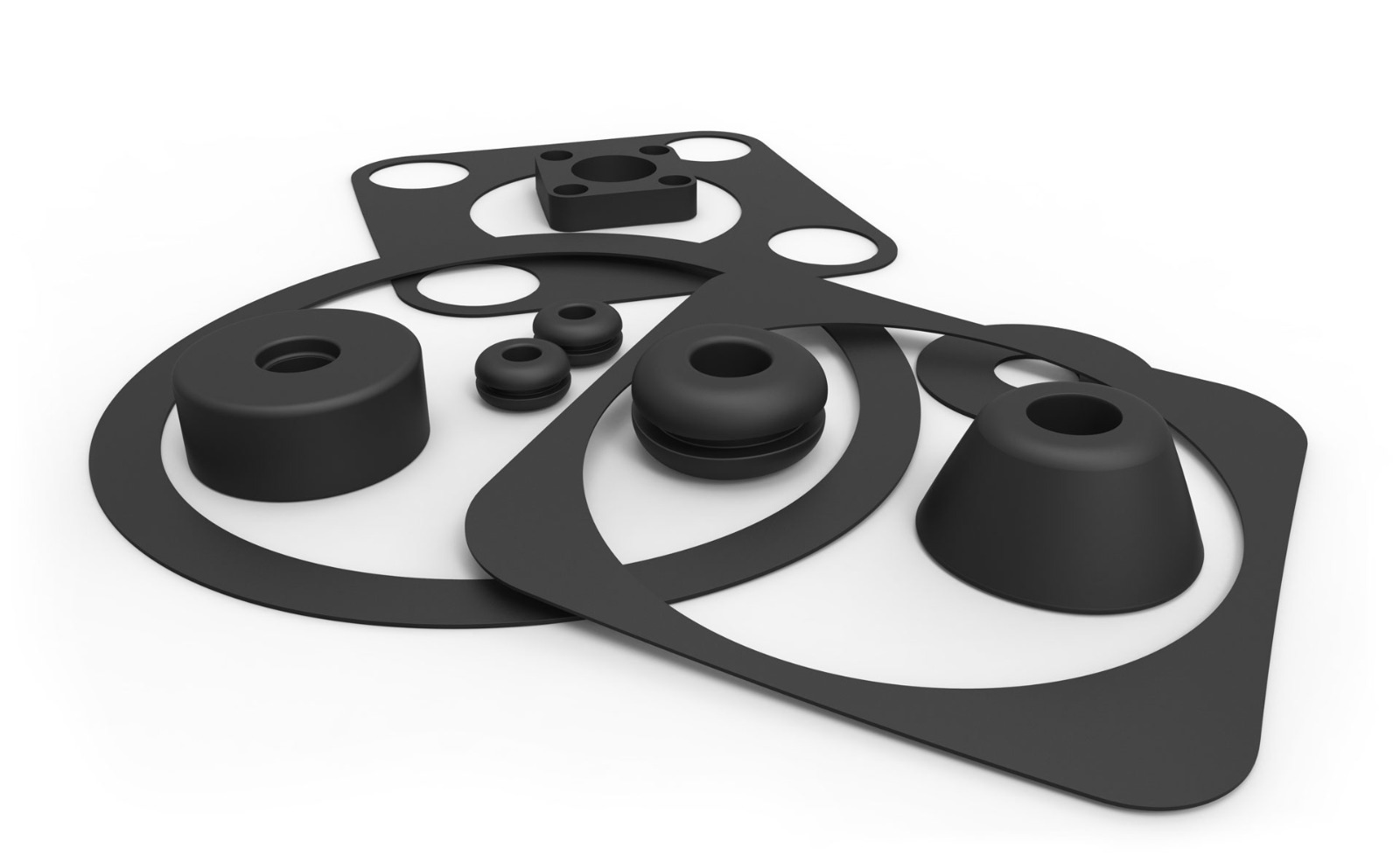
Electrical enclosures are designed to protect sensitive components from challenging operating environments. Whether used in industrial equipment, outdoor systems, automation controls, or specialized electronic applications, these housings must maintain reliable protection against moisture, dust, contaminants, and environmental exposure. A properly engineered sealing solution is critical to preserving enclosure performance and protecting internal electronics.
EPDM rubber gaskets are widely used for electrical enclosure and control panel applications because of their excellent resistance to environmental factors such as ozone, ultraviolet exposure, weathering, and moisture. Their durability and sealing capabilities make them a dependable choice for applications where long-term protection and consistent performance are essential.
Key benefits include:
- Resistance to ozone and UV exposure
- Protection against moisture and environmental conditions
- Reliable sealing performance for electrical enclosures
For engineers and product designers, selecting the right gasket material is an important part of enclosure design. Material properties, gasket construction, dimensional accuracy, and manufacturing quality all influence the effectiveness of the final seal. Custom die-cut EPDM gaskets provide a reliable way to achieve precise sealing performance based on the unique requirements of each enclosure configuration.
Why EPDM Rubber Gaskets Are Used for Electrical Enclosures
Electrical equipment often operates in environments where exposure to moisture, temperature fluctuations, sunlight, and airborne contaminants can create performance risks. Without an effective sealing system, these environmental factors can enter the enclosure and potentially affect sensitive electrical components.
EPDM, or ethylene propylene diene monomer, is a synthetic rubber material known for its strong resistance to weather-related degradation. This makes it especially suitable for outdoor and industrial applications where long-term exposure to environmental conditions is expected. EPDM also remains flexible across a wide temperature range, typically from about -40°F to 250°F depending on the specific formulation, which helps enclosure seals stay reliable in both cold and hot operating conditions.
Unlike materials that may deteriorate when exposed to ozone or sunlight, EPDM maintains its flexibility and sealing characteristics over extended periods. This durability allows electrical enclosure designers to create protective barriers that help prevent environmental ingress while supporting reliable equipment operation.
For applications requiring consistent sealing performance, EPDM provides several important advantages:
- Resistance to ozone and atmospheric exposure
- Strong weathering and UV stability
- Excellent moisture resistance
- Reliable flexibility across a wide temperature range
- Long-term durability in outdoor environments
These characteristics make EPDM a preferred material choice for many enclosure sealing applications.
Protecting Electrical Components From Moisture and Environmental Ingress
Moisture is one of the most common threats to electrical and electronic systems. Water intrusion can contribute to corrosion, electrical failures, reduced component lifespan, and unexpected maintenance requirements.
Electrical enclosure gaskets create a protective interface between enclosure components, helping maintain separation between internal electronics and external environmental conditions. When properly designed and installed, a gasket compresses between mating surfaces to create a dependable seal.
EPDM rubber gaskets help support this protection by providing:
Moisture Resistance
EPDM has excellent resistance to water and humidity exposure, making it suitable for applications where electrical enclosures may experience rain, condensation, or high-moisture environments.
Environmental Durability
Outdoor equipment may be exposed to changing weather conditions, including sunlight, temperature shifts, and atmospheric pollutants. EPDM’s resistance to environmental aging helps maintain sealing performance over time.
Contaminant Protection
Dust, dirt, and other contaminants can impact sensitive electrical systems. A properly fitted gasket helps reduce pathways where unwanted materials can enter the enclosure.
For engineers designing equipment intended for demanding environments, gasket selection is an important consideration in achieving dependable enclosure protection.
The Importance of EPDM’s Resistance to Ozone and UV Exposure
One of EPDM’s most recognized advantages is its resistance to ozone and weather-related degradation.
Ozone exposure can cause certain rubber materials to crack or lose elasticity over time. This deterioration can compromise sealing performance and create opportunities for environmental intrusion. EPDM’s chemical structure provides strong resistance against ozone-related damage, allowing it to maintain its physical properties in outdoor applications.
UV exposure is another factor that affects materials used in exterior environments. Continuous sunlight exposure can accelerate aging in some rubber compounds. EPDM is known for maintaining durability when exposed to ultraviolet radiation and outdoor weather conditions.
For electrical enclosure applications, these properties are especially valuable because many systems are installed in locations where regular exposure to environmental conditions is unavoidable.
Examples include:
- Outdoor control systems
- Industrial equipment housings
- Electrical cabinets and control panels
- Outdoor electronics and telecommunications equipment
By selecting an appropriate gasket material, engineers can improve enclosure reliability and reduce the likelihood of premature sealing failures.
Closed-Cell EPDM Gaskets and Their Role in Creating Reliable Seals
The structure of a gasket plays an important role in sealing performance. Data Graphics manufactures its rubber gaskets as closed-cell material, meaning the structure does not contain the open, interconnected pockets found in open-cell foam. This closed-cell construction limits moisture absorption while supporting compression and recovery, which is why closed-cell rubber gaskets are commonly specified for environmental seals, while open-cell foam is generally used for vibration or shock applications. EPDM gaskets are also used for vibration reduction, cushioning, and insulation depending on the requirements of the application.
Closed-cell EPDM gasket materials are often considered for applications where environmental sealing is a priority because they provide:
- Reduced water absorption
- Effective compression sealing
- Flexible performance across temperature changes
- Consistent contact with enclosure surfaces
When compressed between enclosure components, the gasket material fills small surface irregularities and creates a barrier that helps prevent external elements from entering.
The success of an enclosure seal depends on more than just material selection. Proper gasket thickness, compression requirements, surface conditions, and dimensional accuracy must also be considered during design.
Custom Die-Cut EPDM Rubber Gaskets for Precise Enclosure Requirements
Electrical enclosures vary significantly depending on equipment design, application requirements, and installation conditions. Standard gasket shapes may not always provide the exact fit needed for specialized equipment.
Custom die-cut EPDM rubber gaskets allow manufacturers to create sealing solutions based on specific enclosure dimensions and configurations.
Data Graphics, Inc. provides custom die-cut gasket manufacturing capabilities to help customers develop components that match their exact design requirements. This includes producing gaskets in custom shapes, sizes, thicknesses, and material specifications.
Custom gasket manufacturing offers several benefits:
- Precise fit for specific enclosure designs
- Flexible material and thickness options
- Improved installation and sealing consistency
Precise Dimensional Accuracy
A properly fitted gasket must align with enclosure geometry to create consistent sealing performance. Precision die cutting allows gasket designs to match detailed specifications.
Application-Specific Designs
Different electrical enclosure applications may require unique shapes, openings, mounting patterns, or material characteristics. Custom manufacturing provides flexibility for specialized designs.
Multiple Thickness and Density Options
EPDM gasket performance can vary depending on thickness and density requirements. Selecting the appropriate material specification helps engineers balance compression, sealing force, and durability.
Adhesive-Backed Gasket Options
For applications requiring easier installation, Data Graphics offers EPDM gaskets with or without adhesive backing. Adhesive backing helps secure the gasket in place while simplifying assembly.
Engineering Considerations When Selecting EPDM Gaskets
Choosing the correct gasket solution requires careful evaluation of application conditions and performance requirements. Engineers should consider several factors before finalizing a gasket design.
Operating Environment
The installation environment affects material selection. Outdoor equipment, high-humidity locations, and industrial applications may require materials with strong resistance to weathering and moisture.
Compression Requirements
A gasket must compress properly to create a seal without being damaged or losing performance over time. Material thickness and density influence compression behavior.
Enclosure Design
The gasket shape should match the enclosure geometry, including openings, mounting areas, and sealing surfaces.
Long-Term Reliability
For critical equipment, gasket performance over time is an important consideration. Selecting a durable material like EPDM helps support consistent protection throughout the product lifecycle, with a service life that depends on the specific operating environment and application.
Why Choosing the Right Gasket Manufacturer Matters
The performance of an electrical enclosure gasket depends not only on material selection but also on manufacturing precision. Even high-quality gasket materials require accurate cutting and consistent production processes to achieve reliable results.
Working with an experienced custom manufacturer helps ensure that gasket components meet required specifications and maintain consistency across production runs. Data Graphics, Inc. has served customers since 1984 and maintains ISO 9001:2015 and AS9100:2016 Rev D quality certifications along with ITAR Certified status, giving engineering and procurement teams confidence in consistent, well-documented production.
For engineering teams and procurement professionals, important supplier considerations include:
- Ability to produce custom designs
- Consistent manufacturing quality and certifications
- Attention to dimensional requirements
- Flexible material options
- Reliable communication throughout the project
A dependable manufacturing partner helps reduce production challenges and supports smoother product development.
Data Graphics: Custom EPDM Rubber Gasket Solutions for Electrical Enclosures
Data Graphics, Inc. works with customers requiring precision-manufactured components designed for specific application needs. Through custom die-cutting capabilities at its Mount Dora, Florida facility, the company produces EPDM gasket solutions tailored to enclosure designs and performance requirements.
Whether an application requires a specific gasket shape, custom thickness, varying density, or adhesive backing, custom manufacturing allows engineers to develop sealing components that align with their project specifications.
For organizations developing electrical equipment, industrial systems, and specialized products, reliable gasket performance starts with accurate design and consistent manufacturing.
Request a Custom Quote for EPDM Rubber Gaskets
Selecting the right sealing solution is essential for protecting electrical components from moisture, ozone, weathering, and contaminants. Custom EPDM rubber gaskets provide engineers with a durable option for creating reliable enclosure seals in demanding environments.
Important considerations include:
- Material performance requirements
- Environmental exposure conditions
- Long-term sealing reliability
Data Graphics, Inc. can help develop precision die-cut EPDM gasket solutions based on your enclosure requirements, including custom dimensions, material specifications, and adhesive-backed options.
Request a custom quote today to discuss your EPDM rubber gasket requirements with Data Graphics and develop a sealing solution designed for your application.