
Chemical Resistance Guide for Industrial Labels
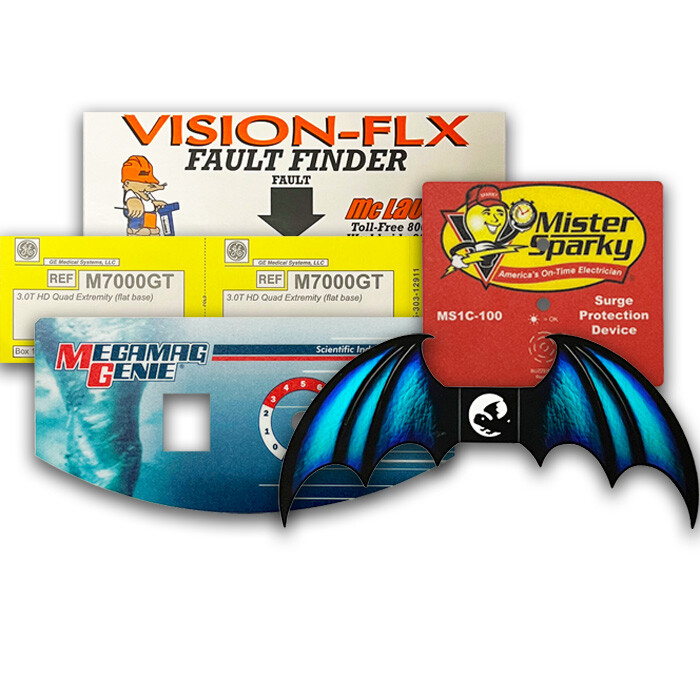
In industrial environments, labels play a vital role in ensuring safety, organization, and operational efficiency. However, exposure to harsh chemicals, oils, solvents, acids, and cleaners can cause labels to degrade over time, leading to miscommunication, safety risks, and costly rework. Understanding how to select chemical-resistant labels is essential for businesses across the United States looking to maintain durable and reliable identification solutions. This guide covers the key factors to consider when choosing industrial labels that can withstand exposure to aggressive substances and the best practices for ensuring label longevity.
Understanding Chemical Resistance in Industrial Labels
Chemical resistance refers to a label’s ability to maintain its integrity when exposed to various substances that could potentially cause damage. In industrial settings, labels must endure exposure to a variety of chemicals, oils, solvents, and cleaners that can cause fading, smearing, peeling, or complete disintegration of the label material and adhesive.
Properly selected durable identification labels can prevent safety hazards, improve compliance with regulations, and ensure that information remains legible over time. Chemical-resistant labels are particularly important in industries such as manufacturing, chemical processing, healthcare, and laboratory environments.
Common Chemicals That Affect Labels
Industries that use industrial labels often face exposure to the following chemicals that can degrade labeling materials:
Oils and Lubricants:
Oils, greases, and lubricants can break down adhesives and cause ink to smudge. Labels on machines, parts, and equipment are often exposed to these substances. For example, machinery parts used in automotive or factory settings are often exposed to oils, which can cause labels to peel or fade prematurely.
Solvents and Cleaners:
Common solvents, such as acetone, toluene, and paint thinners, can dissolve adhesives and inks. Cleaners containing alcohol or ammonia can also damage labels over time. Solvents used in industries like painting, cleaning, or chemical processing can have a severe impact on label performance if not properly accounted for.
Acids and Bases:
Strong acids like sulfuric acid or hydrochloric acid, and strong bases like sodium hydroxide, can eat away at label materials and adhesives, rendering labels unreadable. Chemical plants or laboratories where acid solutions are frequently used need labels that resist these corrosive substances.
Water and Moisture:
Moisture exposure from humidity, condensation, or spills can weaken adhesives and lead to label delamination. Facilities such as food manufacturing plants, water treatment facilities, or outdoor equipment need labels that perform well in wet environments.
Heat and UV Light:
Extended exposure to high temperatures and UV light can cause label materials to shrink, discolor, or lose adhesion properties. Industries such as automotive, electronics, and outdoor equipment often face these issues due to high operating temperatures and prolonged exposure to sunlight.
Choosing the Right Label Material
Not all materials are created equal when it comes to resisting chemicals. The choice of label material directly impacts the durability and effectiveness of your industrial labels. Here are the core materials for chemical-resistant labels offered by Data Graphics:
Polyester (PET)
Polyester is the strongest and most durable substrate for functional controls and equipment labeling. It offers excellent chemical resistance, high tensile strength, and durability in extreme environments. Resistant to tears, abrasions, oils, solvents, and UV light, polyester labels are ideal for industrial applications including control panels, motor housings, machinery, and compliance markings where long-lasting performance is essential.
Polycarbonate
Polycarbonate labels are known for their exceptional toughness and resistance to impact, high temperatures, and chemical exposure. They are an ideal choice for applications such as control panels, machinery, warning labels, safety labels, and product identification where durability and clarity are critical. Polycarbonate labels can be produced in glossy, textured, matte, or brushed finishes with pressure-sensitive adhesive for maximum staying power.
Metalphoto® (Anodized Aluminum)
Metalphoto® is a sophisticated process that permanently embeds high-resolution images into anodized aluminum, creating a durable, chemically resistant image that does not fade, scratch, or weather over time. Metalphoto nameplates are 25-year exposure certified and resist UV radiation, chemicals, solvents, oils, corrosion, moisture, and extreme temperatures. They are ideal for high-performance industrial, aerospace, military, and medical applications where permanent, long-lasting durable identification labels are required.
Adhesive Selection for Durability
Choosing the right adhesive is just as important as selecting the right label material. The adhesive must be able to withstand the same chemicals that affect the label material. The following are general industry adhesive categories to consider when specifying chemical-resistant labels:
- Acrylic Adhesive: Offers excellent chemical and UV resistance. Bonds well to most surfaces and maintains strength even when exposed to oils, solvents, and high temperatures. Acrylic adhesives are widely used for automotive, pharmaceutical, and industrial equipment labeling where long-term performance is crucial.
- Rubber-Based Adhesive: Provides strong initial tack and is resistant to water and low temperatures. Not as resistant to harsh solvents and chemicals, so it is better suited for less demanding applications such as temporary labeling or light-duty packaging.
- Solvent-Based Adhesive: Known for strong bonding and excellent chemical resistance. Ideal for applications where labels will be exposed to harsh chemicals and solvents, such as chemical storage or oil-based machinery labeling.
- Removable Adhesive: Provides a balance between holding power and ease of removal. May not offer the same chemical resistance as permanent adhesives but is suitable for temporary labeling needs such as inventory tracking and event labeling.
- High-Temperature Adhesive: Designed for use in extreme temperatures, providing resistance to heat and long-lasting performance. Ideal for automotive, aerospace, and manufacturing applications where labels must endure prolonged heat exposure, chemicals, and rapid thermal cycling without compromising legibility or adhesion.
Testing and Certification Protocols for Chemical Resistance
To ensure that chemical-resistant labels will perform as expected in your environment, testing and certification are crucial. Data Graphics holds several industry-recognized certifications that validate the performance and compliance of their industrial labels:
- UL PGDQ2 Certification: Data Graphics holds the UL PGDQ2 designation (Marking and Labeling Systems, Component), one of the most stringent UL certifications available for industrial label manufacturers.
- ISO9001:2015: International quality management standard ensuring consistent production quality and process control.
- AS9100:2016 Rev D: Aerospace quality management certification demonstrating adherence to stringent quality and durability standards.
- Metalphoto® Certified Converter: Meeting MIL-STD-130, ASTM B209-10, and UL 969 standards for permanent, high-durability anodized aluminum labels.
- ITAR Compliance: Ensuring secure manufacturing for defense and military applications.
Environmental conditioning during testing typically includes evaluation for high humidity, water exposure, elevated temperatures, sunlight resistance, and chemical agents to ensure labels remain legible and intact under real-world industrial conditions.
Avoiding Label Degradation: Best Practices
To maximize the lifespan and effectiveness of your durable identification labels, follow these best practices:
- Regular Inspections: Periodically check labels for signs of degradation, such as fading, peeling, or cracking.
- Proper Application: Apply labels to clean, dry surfaces for optimal adhesion. Ensure that the surface is compatible with the adhesive used.
- Environmental Control: If possible, control exposure to extreme chemicals, temperatures, and UV light. Store chemicals in secure containers to reduce label contact.
- Test Before Full Implementation: Always test labels in real-world conditions before applying them in large quantities to ensure they hold up under expected exposure.
Conclusion and Recommendations
Choosing the right chemical-resistant labels for your industrial applications across the United States is essential for preventing safety risks and ensuring long-term performance. By understanding the chemicals your labels will be exposed to, selecting the right material and adhesive, and implementing proper testing and certification, you can avoid label degradation and maintain a safe and efficient work environment.
For tailored industrial labels that meet your specific needs, contact Data Graphics today. With nearly 40 years of experience and certifications including UL PGDQ2, ISO9001:2015, AS9100:2016 Rev D, Metalphoto®, and ITAR, we offer high-quality, customizable solutions to ensure your labels stand the test of time and harsh chemicals. Do not risk safety. Choose the right labels for your industrial applications.
Get the Right Chemical-Resistant Labels for Your Business Today
Do not let label degradation compromise your safety or efficiency. Contact Data Graphics now to get started with durable chemical-resistant labels tailored to your business needs. Our high-quality, customizable labels are built to withstand harsh chemicals and extreme conditions, ensuring your operations across the United States stay organized and compliant.