
Neoprene Foam Gaskets: The Compressible, Vibration-Resistant Seal Built for Real-World Conditions
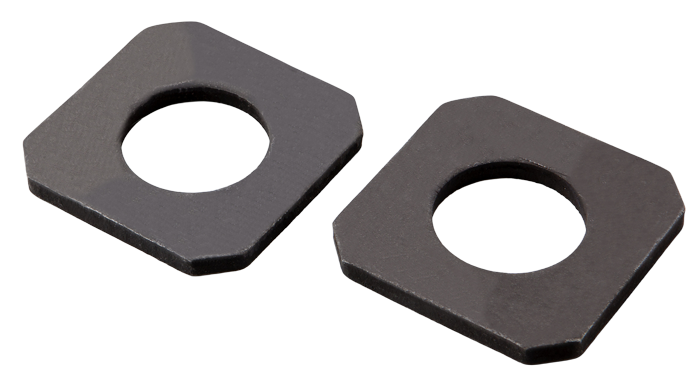
In industrial environments, sealing components must do more than simply fill a gap. They must withstand movement, vibration, temperature changes, moisture exposure, and demanding operating conditions while maintaining reliable performance over time. Choosing the right gasket material is critical for protecting equipment, improving assembly performance, and preventing issues caused by improper sealing.
A neoprene foam gasket combines the flexibility and cushioning properties of chloroprene rubber with a foam construction built for compression, vibration control, and environmental protection. Neoprene is valued across industrial, commercial, and OEM applications for its balance of durability, moisture resistance, and moderate chemical resistance, and and Data Graphics, Inc. produces it in both foam and rubber gasket configurations depending on what the application calls for.
For engineers, designers, and procurement professionals, understanding how neoprene performs in foam form versus rubber form helps ensure the correct sealing solution is selected for each application. Data Graphics, Inc. provides custom die-cut gasket solutions designed to meet specific shape, thickness, hardness, and adhesive requirements for a wide range of industrial applications.
What Is a Neoprene Foam Gasket?
A neoprene foam gasket is a sealing component manufactured from neoprene, a synthetic chloroprene rubber known for its durability, flexibility, and resistance to moisture, dust, oils, grease, and weather exposure. Produced in foam form rather than closed-cell rubber, it is built to compress and provide cushioning where vibration control or gap filling is a priority.
Depending on the requirements of the application, Data Graphics manufactures foam gaskets in two cell structures:
- Open-cell foam gaskets are typically selected for vibration and shock applications.
- Closed-cell foam gaskets, like closed-cell rubber gaskets, are typically used for environmental seals, particularly where outdoor conditions are a factor.
These options make neoprene foam gaskets suitable for equipment assemblies, protective enclosures, panels, and mounting applications where a rigid solid material may not provide the needed flexibility.
Neoprene Foam Gaskets vs. Neoprene Rubber Gaskets
Data Graphics manufactures neoprene in both foam and solid rubber form, and selecting between the two depends on what the application requires.
A solid neoprene rubber gasket provides a firmer sealing surface and is often chosen when strength and durability matter more than compression flexibility. A neoprene foam gasket, by contrast, is built to compress, cushion, and absorb movement, making it the better choice where vibration dampening or surface gap filling is the priority.
The key differences come down to
- Compression performance: Neoprene foam gaskets compress under pressure, sealing effectively even when surfaces are not perfectly uniform, while closed-cell neoprene rubber provides a firmer, less compressible surface.
- Vibration resistance: Neoprene offers good cushioning and vibration dampening, and open-cell foam construction is specifically suited to absorbing mechanical movement in equipment exposed to vibration or shock.
- Surface adaptability: Foam suits assemblies with small gaps or minor surface variation, while closed-cell rubber suits applications where a consistent, firm seal matters more than adapting to irregular surfaces.
Open-Cell Neoprene Foam for Vibration and Shock Applications
Open-cell foam gaskets are typically used for applications involving vibration or shock, where a compressible material helps absorb movement and reduce strain on connected components.
Neoprene’s cushioning and vibration-dampening properties make open-cell neoprene foam a fit for applications such as:
- Equipment mounting surfaces.
- Vibration isolation assemblies.
- Protective covers for mechanical components requiring cushioning.
- Industrial machinery exposed to movement.
For engineers designing equipment that must perform consistently under real-world conditions, selecting an open-cell foam gasket is an important consideration when vibration or shock is part of the operating environment.
Closed-Cell Neoprene Foam for Environmental Sealing
Closed-cell foam gaskets, along with closed-cell rubber gaskets, are typically used for environmental seals, especially where outdoor conditions are a significant factor.
Neoprene itself is well suited to this role. It resists moisture, dust, oils, grease, weather exposure, and moderate chemicals, and it performs across a temperature range of approximately -20°F to 200°F. Closed-cell neoprene foam gaskets are commonly used in:
- Electrical enclosures and cabinets.
- HVAC systems and access panels.
- Outdoor equipment and enclosures.
- Transportation and vehicle applications.
- Marine and recreational equipment.
By selecting the correct cell structure, and pairing it with neoprene’s inherent moisture and weather resistance, manufacturers can achieve a better balance between sealing performance and durability.
Applications That Benefit From Compressible Neoprene Foam Gaskets
Neoprene foam gaskets are used across electrical, HVAC, industrial, transportation, and outdoor equipment applications where sealing performance and compressibility both matter.
Panels and Equipment Enclosures
Electrical enclosures and cabinets benefit from foam gaskets that compress to seal out moisture, dust, and contaminants without requiring perfectly matched surfaces.
Mounting Surfaces
Industrial machinery exposed to vibration from motors or operational movement benefits from foam gaskets that cushion connected components and reduce vibration transfer.
Industrial Assemblies
Manufactured assemblies with multiple components can use custom neoprene foam gaskets to maintain reliable sealing while allowing flexibility during installation.
Protective Components
Outdoor equipment, transportation applications, and marine equipment benefit from neoprene’s resistance to weather, moisture, and physical wear over long-term use.
The Importance of Custom Die-Cut Neoprene Foam Gaskets
Industrial applications rarely require a one-size-fits-all sealing solution. Data Graphics, Inc. manufactures custom die-cut neoprene foam gaskets to virtually any size, shape, or configuration at its 25,000-square-foot facility in Mount Dora, Florida.
Custom neoprene foam gaskets can be produced with:
- Specific shapes and dimensions.
- A range of thicknesses and densities.
- Open-cell or closed-cell construction.
- Adhesive backing options when needed.
Average turnaround is typically seven to ten business days after the design has been approved by the client, giving engineers and designers a dependable timeline for developing sealing components matched to their assemblies.
Selecting the Right Neoprene Foam Gasket for Your Application
Choosing the appropriate neoprene foam gasket requires evaluating several application factors:
- Required compression level: Determine how much the gasket needs to compress during installation and operation. Applications with uneven surfaces benefit from foam’s compressibility over solid rubber.
- Exposure conditions: Consider whether the gasket will face moisture, outdoor exposure, or temperatures within neoprene’s approximate -20°F to 200°F operating range. Closed-cell construction is typically preferred for environmental sealing.
- Vibration and movement: Equipment exposed to mechanical movement benefits from open-cell neoprene foam, which is built to absorb vibration and provide cushioning.
- Installation requirements: The shape, thickness, and adhesive requirements of the gasket should match the assembly design. Data Graphics’ custom die-cutting supports precise fit for each installation.
Custom Neoprene Foam Gasket Solutions From Data Graphics, Inc.
Data Graphics, Inc. has manufactured custom labels, overlays, and die-cut gasket solutions since 1984. Custom gasket solutions must meet exact specifications to perform effectively in demanding applications.
Through its custom die-cutting capabilities, Data Graphics delivers:
- Open-cell or closed-cell neoprene foam gaskets built around specific project requirements.
- Custom thickness, density, and adhesive backing options matched to the application.
- Consistent turnaround, typically seven to ten business days after design approval.
For engineers, procurement teams, and manufacturers, choosing the right gasket partner can help improve product quality, reduce assembly challenges, and support consistent performance. A properly specified neoprene foam gasket can provide the flexibility, sealing capability, and vibration resistance needed for real-world operating conditions.
Conclusion
A neoprene foam gasket combines neoprene’s flexibility, durability, and weather resistance with a foam construction built for compression and vibration control. Choosing between open-cell and closed-cell construction, and between foam and rubber, helps engineers and manufacturers select the right material for their specific requirements.
Whether the goal is vibration control, shock absorption, or environmental protection, the correct gasket design can improve reliability and performance.
Contact Data Graphics, Inc. to discuss your custom neoprene foam gasket requirements and find a sealing solution designed for your vibration, shock, or environmental protection needs.