
Neoprene Gaskets: Properties, Applications, and When to Choose Foam vs. Solid
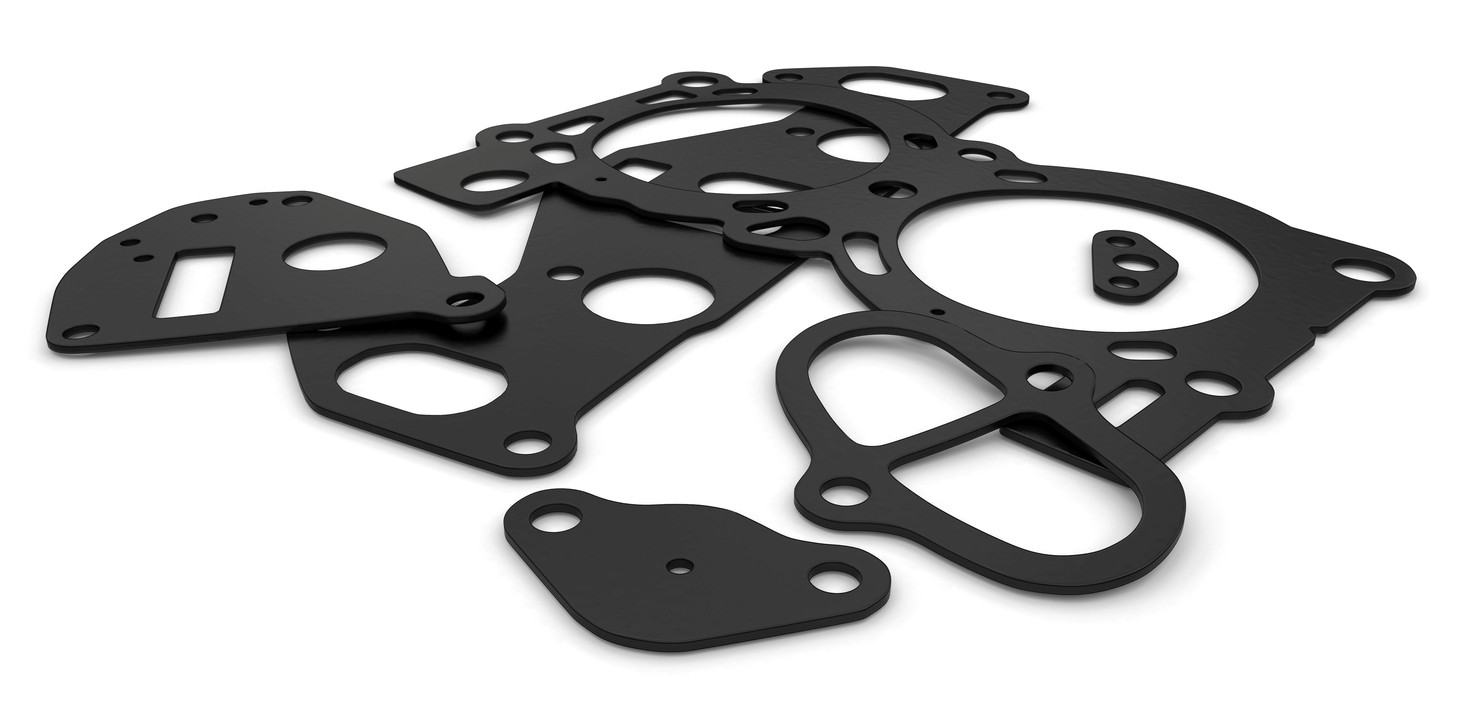
Neoprene gaskets are essential components in sealing applications, offering durability, flexibility, and reliable protection in various industries. Made from neoprene, a synthetic rubber, these gaskets are particularly valued for their resistance to oils, weathering, and moderate chemicals. Whether you’re sealing sensitive equipment, preventing leaks in harsh environments, or ensuring the longevity of mechanical systems, neoprene gaskets are the go-to solution for many industries.
In this blog, we’ll explore the properties of neoprene gaskets, focusing on the differences between solid neoprene rubber gaskets and neoprene foam gaskets. Understanding the performance characteristics of these two types of gaskets will help you choose the right one for your application. Additionally, we’ll cover the industries where neoprene is commonly used, including marine, HVAC, electrical, and general manufacturing.
By the end of this article, you will be equipped with the knowledge to make an informed decision on whether to use foam or solid neoprene gaskets for your sealing needs. At Data Graphics, Inc., we specialize in custom die-cut neoprene gaskets, ensuring precision and quality in every product. Contact us for a personalized quote tailored to your gasket specifications.
1. What Are Neoprene Gaskets?
Neoprene gaskets are sealing components made from neoprene, a synthetic rubber that combines resilience, flexibility, and resistance to various environmental factors. These gaskets are crucial in preventing the leakage of fluids, gases, or contaminants, making them a staple in industries that require airtight or watertight seals.
Key Properties of Neoprene Gaskets:
- Oil and Chemical Resistance: Neoprene is known for its resistance to oils, petroleum-based products, and moderate chemical exposure. This makes neoprene gaskets ideal for sealing applications in industries such as automotive, industrial machinery, and petrochemical.
- Weathering Resistance: Neoprene gaskets maintain their performance even in the harshest environmental conditions. Neoprene rubber is resistant to UV rays, ozone, and extreme temperatures, making it ideal for both indoor and outdoor applications.
- Compression Set Resistance: Neoprene gaskets exhibit excellent compression set resistance, which means they retain their shape and sealing ability even after prolonged compression. This property is essential for ensuring that seals remain intact under pressure over long periods.
Types of Neoprene Gaskets:
- Solid Neoprene Rubber Gaskets: These gaskets are made from dense neoprene rubber and are used in heavy-duty applications that require robust sealing under high pressure or harsh environmental conditions. Solid neoprene gaskets are perfect for industrial, marine, and automotive applications.
- Neoprene Foam Gaskets: Neoprene foam is a lightweight, compressible material used in applications where cushioning, vibration isolation, or insulation is needed. Foam gaskets are typically used for low-pressure sealing and applications where flexibility and adaptability are essential.
2. Applications of Neoprene Gaskets
Neoprene gaskets are incredibly versatile and are used across a wide range of industries due to their unique properties. Below are the primary industries where neoprene gaskets excel, detailing both solid neoprene rubber gaskets and neoprene foam gaskets.
-
-
Marine Industry:
-
- Applications: Neoprene gaskets are extensively used in marine applications, particularly in boats, ships, and other watercraft. These gaskets are crucial for ensuring water-tightness in hulls, ports, and various other parts of the vessel exposed to water and the marine environment.
- Benefits: Neoprene’s excellent resistance to saltwater, UV rays, and moisture makes it the perfect choice for marine environments. Whether sealing doors, windows, or engine components, neoprene gaskets provide long-lasting, effective seals.
- Example Uses: Gaskets used in marine engine covers, hulls, and water pumps are often made of solid neoprene due to the harsh environment they operate in. Neoprene foam is also used in cushioning applications where insulation or vibration damping is required.
-
-
HVAC (Heating, Ventilation, and Air Conditioning):
-
- Applications: In HVAC systems, neoprene gaskets are used to seal air ducts, vents, and HVAC equipment, ensuring that air does not escape or leak. This is essential for improving energy efficiency and ensuring that the system operates effectively.
- Benefits: Neoprene gaskets offer excellent resistance to both high and low temperatures, along with oils and other substances typically encountered in HVAC environments. This resistance ensures the longevity and reliability of the sealing system in HVAC units.
- Example Uses: Neoprene foam gaskets are often used for vibration damping in HVAC systems, reducing noise and ensuring quieter operation. Solid neoprene gaskets are used in areas requiring higher pressure and more demanding sealing conditions.
-
-
Electrical Industry:
-
- Applications: Neoprene gaskets are widely used in electrical enclosures, junction boxes, and other electrical components to protect sensitive equipment from dust, moisture, and temperature fluctuations.
- Benefits: The electrical resistance and sealing ability of neoprene make it ideal for protecting electrical systems. Neoprene gaskets ensure that moisture and dirt do not penetrate electrical devices, preventing potential short circuits and damage.
- Example Uses: Neoprene foam gaskets are typically used in sealing electrical boxes, while solid neoprene gaskets are employed in larger equipment, ensuring a reliable seal in harsh conditions.
-
-
General Manufacturing:
-
- Applications: Neoprene gaskets play a critical role in general manufacturing industries, sealing machinery, pipes, tanks, and other equipment that involve gases or liquids.
- Benefits: Neoprene’s resistance to chemicals, oils, and UV rays makes it suitable for a wide variety of manufacturing applications, from food processing to industrial machinery. Its ability to withstand pressure and temperature extremes ensures long-lasting sealing performance.
- Example Uses: Solid neoprene gaskets are often used in applications where high pressure and environmental exposure are common. Neoprene foam gaskets are typically used in low-pressure environments for noise reduction and vibration isolation.
-
-
Automotive Industry:
-
- Applications: In the automotive industry, neoprene gaskets are used for sealing engine components, doors, windows, and fuel systems.
- Benefits: Neoprene gaskets provide a reliable seal against oils, fuels, and temperature extremes, ensuring the vehicle’s longevity and performance.
- Example Uses: Solid neoprene gaskets are used for high-pressure sealing in engines, while foam gaskets are used for soundproofing and vibration dampening.
3. When to Choose Neoprene Foam vs. Solid Neoprene Rubber Gaskets
Choosing the right type of neoprene gasket is crucial for ensuring optimal performance in your sealing applications. Both neoprene foam and solid neoprene rubber gaskets offer unique advantages depending on the specific needs of the application.
Neoprene Foam Gaskets:
- Best for Vibration and Cushioning: Neoprene foam gaskets are ideal for applications that require vibration absorption or cushioning. The open-cell structure of foam allows it to compress easily, forming a tight seal while also absorbing vibrations and noise.
- Flexibility and Compression: Foam gaskets are highly compressible, making them perfect for sealing irregular surfaces. Their flexibility ensures a tight, secure seal even in applications where the surface is not perfectly smooth or flat.
- Cost-Effective Solution: Neoprene foam gaskets are often more affordable compared to solid neoprene gaskets, making them a great choice for applications that do not require heavy-duty sealing.
When to Use Neoprene Foam Gaskets:
- For sealing low-pressure systems or applications where flexibility and vibration damping are needed.
- In HVAC systems, electrical enclosures, and automotive parts where noise reduction and cushioning are important.
- For sealing irregular surfaces and applications where compressibility is essential.
Solid Neoprene Rubber Gaskets:
- Best for Heavy-Duty Sealing: Solid neoprene rubber gaskets are ideal for high-pressure applications, offering superior durability and strength. These gaskets are less compressible than foam gaskets, providing a more rigid and secure seal.
- Environmental Sealing: Solid neoprene gaskets excel in harsh environments, where they are exposed to extreme temperatures, oils, chemicals, or UV rays. Their resistance to these factors ensures long-term sealing performance, even under severe conditions.
- Longer Lifespan: Due to their robust properties, solid neoprene gaskets tend to have a longer lifespan compared to foam gaskets, especially when used in environments with high wear and tear.
When to Use Solid Neoprene Rubber Gaskets:
- For applications exposed to high-pressure, extreme temperatures, or harsh chemicals.
- In marine, automotive, and industrial environments where reliable, long-lasting seals are essential.
- For applications where maximum resistance to weathering, UV, and ozone degradation is needed.
4. Data Graphics Custom Neoprene Gaskets: Your Solution
At Data Graphics, Inc., we specialize in manufacturing custom neoprene gaskets that meet the unique requirements of your sealing applications. Whether you need solid neoprene rubber gaskets for heavy-duty sealing or neoprene foam gaskets for vibration damping, our custom die-cutting capabilities ensure that each gasket is made to the highest standards of quality and precision.
Our team works closely with you to understand your specific needs, ensuring that the gasket you receive is tailored to fit your exact specifications. With our state-of-the-art die-cutting technology, we guarantee precise, durable, and reliable neoprene gaskets that will perform reliably under the toughest conditions.
Why Choose Data Graphics for Your Neoprene Gaskets?
- Custom Die-Cutting: We provide custom die-cut neoprene gaskets that perfectly match your specifications, ensuring optimal performance and longevity.
- High-Quality Materials: Our neoprene gaskets are made from premium materials to ensure maximum durability, weather resistance, and performance.
- Expert Guidance: Our experienced team will guide you in selecting the right gasket type—foam or solid—based on your application needs.
Conclusion
Neoprene gaskets offer superior sealing properties that make them essential for applications in industries such as marine, HVAC, automotive, and manufacturing. Whether you need solid neoprene rubber gaskets for heavy-duty applications or neoprene foam gaskets for vibration absorption, understanding the differences between the two will help you choose the best gasket for your needs. At Data Graphics, Inc., we provide custom die-cut gaskets designed to meet your exact specifications, ensuring optimal performance in any application.
Request a Quote for Custom Neoprene Gaskets
If you’re ready to enhance the performance of your equipment with custom neoprene gaskets, contact Data Graphics, Inc. for a quote today and get the perfect seal for your application!