
Neoprene Rubber Gaskets: The Workhorse Seal Behind Reliable Industrial Equipment
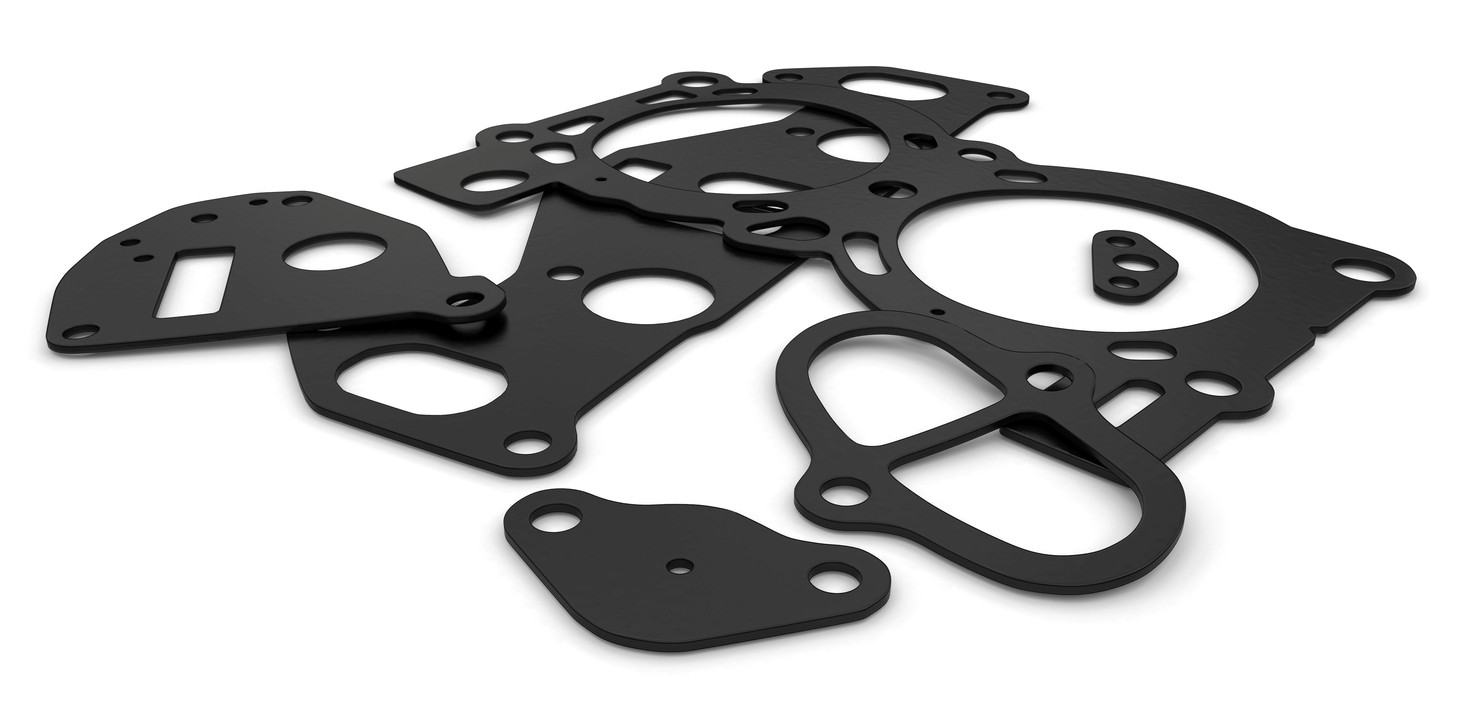
Industrial equipment relies on countless components working together to maintain consistent performance, safety, and operational reliability. While major mechanical systems often receive the most attention, smaller components such as gaskets play an essential role in protecting equipment, preventing leaks, and supporting dependable operation in demanding environments.
Among the many sealing materials available today, the neoprene rubber gasket remains a trusted option for industrial applications requiring flexibility, environmental resistance, and reliable sealing performance. With a balanced combination of physical properties, neoprene is commonly selected for applications where exposure to moisture, outdoor conditions, oils, and moderate chemicals may impact equipment performance.
For engineers, procurement teams, and manufacturers, selecting the right gasket material involves more than choosing a rubber component. Factors such as operating conditions, equipment design, compression requirements, and installation needs all influence long-term sealing effectiveness. Custom fabricated neoprene gaskets provide the flexibility needed to meet unique specifications while ensuring a precise fit for each application.
Since 1984, Data Graphics, Inc. has built custom die cutting capabilities that allow manufacturers to develop precision gasket solutions designed around their specific requirements. By combining material knowledge with accurate manufacturing processes, custom neoprene gaskets can support a wide range of industrial sealing applications where reliability and consistency are critical.
What Is a Neoprene Rubber Gasket?
A neoprene rubber gasket is a sealing component manufactured from neoprene rubber material and designed to create a protective barrier between two surfaces. The gasket fills spaces between connected components, helping reduce the movement of liquids, gases, dust, moisture, and other environmental contaminants.
Neoprene, also known as polychloroprene or chloroprene rubber, is a synthetic rubber material recognized for its balanced performance characteristics. Unlike specialized materials designed for a single extreme application, neoprene offers a practical combination of flexibility, durability, and resistance that makes it suitable for many industrial environments.
The material’s flexibility allows it to conform to different surface conditions, while its durability helps maintain sealing effectiveness during regular equipment operation. Neoprene also provides cushioning and vibration dampening properties, which is part of why it is specified so often for equipment that needs both a reliable seal and protection from shock and movement. This combination makes neoprene gaskets a reliable choice for manufacturers seeking dependable protection without requiring highly specialized materials.
Why Neoprene Is a Reliable Choice for Industrial Sealing Applications
Industrial environments can expose equipment components to changing temperatures, moisture, outdoor conditions, oils, and mechanical stress. A gasket material must maintain its sealing function while handling these challenges throughout the equipment’s operating life.
Neoprene provides several characteristics that make it valuable for industrial sealing applications.
Weathering and Environmental Resistance
One of the primary advantages of neoprene gaskets is their suitability for outdoor and environmental sealing applications. Neoprene rubber offers strong resistance to weathering, ozone exposure, and environmental aging compared with many general-purpose rubber materials.
This makes neoprene a practical option for equipment exposed to changing weather conditions, humidity, sunlight, and outdoor contaminants. Industrial enclosures, machinery components, and equipment housings often require sealing materials that can maintain performance despite exposure to external elements.
For manufacturers designing equipment intended for challenging environments, selecting a material with dependable environmental resistance can help improve overall product reliability.
Moderate Chemical and Oil Resistance
Neoprene provides resistance to various chemicals, oils, and industrial fluids, making it useful in applications where contact with certain substances may occur. While neoprene is not designed for every chemical environment, its balanced resistance profile makes it suitable for many general industrial applications.
Material selection should always consider the specific operating environment, including chemical exposure, temperature conditions, and application requirements. Understanding these factors helps engineers determine whether neoprene is the appropriate gasket solution.
Choosing the right material during the design phase can help reduce potential issues caused by improper sealing material selection.
Cushioning and Vibration Control
In addition to sealing out moisture and contaminants, neoprene gaskets offer meaningful cushioning and vibration dampening properties. This makes them useful in assemblies where the gasket needs to do more than block moisture. It also needs to absorb shock, reduce vibration transfer, and protect sensitive internal components from mechanical stress during operation.
This dual function, sealing plus cushioning, is one of the main reasons neoprene remains such a widely specified material across industrial, commercial, and OEM applications.
Temperature Performance
Neoprene typically performs well across a wide temperature range, generally from about negative 20 degrees Fahrenheit to 200 degrees Fahrenheit, though exact performance can vary by specific formulation. Within this range, the material maintains its flexibility and sealing properties while resisting cracking and degradation, which makes it suitable for industrial, transportation, and HVAC equipment that may experience shifting environmental conditions.
Closed Cell Structure for Environmental Sealing
Rubber gaskets, including neoprene, are generally manufactured as a closed-cell material. This structure contains individual air-filled cells that help limit moisture absorption and support environmental sealing performance.
Closed-cell neoprene is often selected for applications where protection from water, air, dust, and other external elements is required, particularly in outdoor conditions. The material structure helps create an effective barrier for equipment enclosures and protective assemblies.
For industries where equipment reliability and environmental protection are important, closed-cell neoprene provides a practical sealing option.
Common Industrial Applications for Neoprene Gaskets
Because of its balanced properties, neoprene is used across a variety of industries where dependable sealing is required. The final gasket design depends on equipment specifications, environmental conditions, and performance expectations.
Common applications for neoprene gaskets include:
Industrial Equipment Enclosures
Electrical cabinets, control panels, and equipment housings often require gaskets to help prevent moisture, dust, and contaminants from entering sensitive areas. Neoprene gaskets can provide a flexible sealing barrier that supports protection for internal components.
A precisely manufactured gasket helps ensure proper fit around enclosure openings, supporting consistent sealing performance and reliable assembly.
HVAC Systems
Neoprene gaskets are also used to provide dependable sealing around HVAC equipment, access panels, and ductwork. Their combination of flexibility and durability helps maintain a consistent seal as equipment goes through normal temperature and pressure cycles.
Outdoor Equipment Components
Outdoor machinery and equipment must withstand ongoing exposure to weather conditions. Rain, humidity, temperature changes, and environmental contaminants can affect unprotected components over time.
Neoprene’s environmental resistance makes it a practical choice for outdoor sealing applications where equipment requires protection from external conditions.
Automotive and Transportation Applications
Transportation equipment often requires sealing materials capable of handling vibration, moisture, and changing operating conditions. Neoprene gaskets may be used in components where flexibility, cushioning, and environmental resistance are important considerations.
Custom fabrication allows manufacturers to produce gasket components that match specific equipment designs and assembly requirements.
Marine and Recreational Equipment
Neoprene’s moisture resistance and long-term durability also make it a common choice for marine and recreational equipment, where consistent exposure to water and humidity places extra demands on sealing materials.
Industrial Machinery and Manufacturing Equipment
Manufacturing equipment often contains multiple components that require protection from leaks, debris, and contamination. Custom neoprene gaskets help create reliable seals between connected surfaces and support efficient equipment operation.
The ability to manufacture gaskets in customized shapes and dimensions makes neoprene suitable for specialized machinery applications.
Customization Options for Neoprene Rubber Gaskets
Every industrial application has unique sealing requirements. Standard gasket sizes may not provide the exact fit required for specialized equipment designs, making custom fabrication an important consideration.
Data Graphics, Inc. provides custom die-cut gasket solutions developed around customer specifications. Neoprene gaskets can be customized based on several important factors.
Thickness Selection
Gasket thickness plays an important role in sealing performance. The correct thickness helps fill the required space while maintaining appropriate compression within the assembly.
Different equipment designs, surface conditions, and assembly requirements may require different material thicknesses to achieve the proper fit.
Hardness Options
The hardness of neoprene material affects how the gasket responds during installation and operation. Softer materials may provide increased flexibility and surface conformity, while harder materials may provide additional structural support.
Selecting the appropriate hardness depends on factors such as mating surfaces, compression requirements, and operating conditions.
Density Considerations
Material density can influence gasket characteristics, including flexibility, durability, and sealing behavior. Choosing the appropriate density helps ensure the gasket performs effectively within the intended application.
Engineering teams can evaluate their equipment requirements to determine the material characteristics best suited for their specific needs.
Adhesive Backing Options
Some gasket applications benefit from adhesive backing, which helps position the gasket during assembly and installation. Adhesive-backed neoprene gaskets can simplify placement and improve installation efficiency.
The correct adhesive option depends on the application environment, surface material, and assembly requirements.
How Die Cutting Creates Precision Neoprene Gaskets
A gasket’s effectiveness depends heavily on accurate dimensions and consistent manufacturing quality. Even small variations in shape or fit can affect sealing performance.
Die cutting is a manufacturing process used to produce custom gasket components with precise shapes and dimensions. The process uses specialized tooling created around the required gasket profile, allowing manufacturers to produce consistent parts designed for specific applications.
For neoprene gaskets, precision die cutting provides several advantages, including:
- Accurate dimensions for proper equipment fit
- Consistent production quality
- Ability to create complex gasket shapes
- Efficient manufacturing for custom designs
- Compatibility with different material specifications
Data Graphics, Inc. uses advanced die-cutting capabilities within its Mount Dora, Florida, facility to manufacture custom components based on detailed customer requirements. By producing gaskets according to application specifications, manufacturers receive solutions designed for their exact equipment needs.
Choosing the Right Neoprene Gasket for Your Application
Selecting the right neoprene gasket requires careful consideration of the operating environment. The best solution depends on several factors, including:
- Exposure conditions
- Temperature requirements
- Chemical contact
- Compression needs
- Surface design
- Equipment dimensions
- Installation method
Working with an experienced gasket manufacturer helps ensure the selected material and design align with application requirements.
A custom gasket provider can assist with evaluating material options, determining appropriate dimensions, and selecting fabrication methods that support reliable equipment performance.
Why Custom Gasket Fabrication Matters
Industrial manufacturers often work with specialized equipment designs that require components produced to exact specifications. A standard gasket may not provide the required fit when equipment includes complex shapes, unique openings, or specific sealing challenges.
Custom neoprene gaskets allow engineers to address these challenges by creating components designed specifically for their applications.
Precision manufacturing helps improve fit consistency and supports more reliable assembly processes. For industries where equipment performance and operational reliability are essential, a gasket designed around the application can provide meaningful advantages.
Backed by Decades of Manufacturing Experience and Quality Certifications
Since 1984, Data Graphics, Inc. has worked with manufacturers across a wide range of industries to develop custom sealing and protection solutions. That experience is supported by quality certifications including UL, ITAR, AS9100, ISO 9001, and Metalphoto, giving engineering and procurement teams added confidence when specifying gaskets for demanding or regulated applications.
Request a Custom Neoprene Rubber Gasket Solution From Data Graphics, Inc.
Selecting the right sealing material is an important step in maintaining reliable industrial equipment performance. Neoprene rubber gaskets provide a versatile solution for applications requiring flexibility, environmental sealing, weather resistance, cushioning, and dependable compression characteristics.
With custom fabrication options, manufacturers can select the thickness, hardness, density, and adhesive features needed for their specific requirements. Precision die cutting ensures each gasket is manufactured to match the intended application.
Data Graphics, Inc. works with manufacturers to develop custom gasket solutions based on project specifications and performance requirements. If you need a precision neoprene gasket for your industrial application, submit your requirements to request a custom quote and discuss the right solution for your equipment.
Get Your Custom Neoprene Gasket Quote Today.
Ready to source a neoprene gasket built to your exact specifications? Contact Data Graphics, Inc. at 8006394316 or request a quote online to speak with our team about thickness, hardness, density, and adhesive options for your application.